Callem Script: A Natural Calligraphy Font for Modern Design
Choosing the right typeface for a project can feel like searching for a specific note in a symphony. The goal is to find something that doesn't just display letters, but conveys a feeling, sets a tone, and communicates a message beyond the words themselves. In the world of script fonts, this search often leads to a common dilemma: many options feel either too rigid and digital or too messy and illegible. A font that successfully bridges this gap, offering the soul of handwriting with the polish of professional design, becomes an invaluable asset for any creative toolkit.
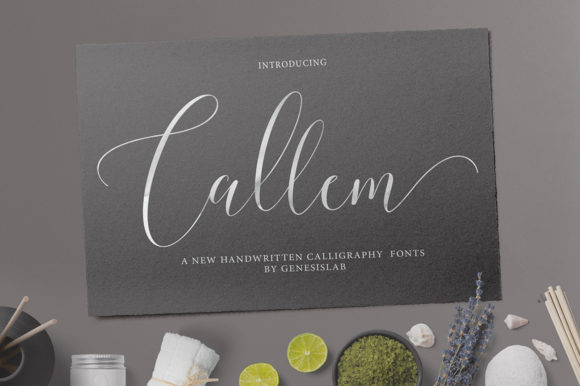
This is precisely where a typeface like Callem Script finds its purpose. It is a calligraphy-style font that originated from natural, human handwriting. Rather than being purely digitized, it retains the organic flow, subtle imperfections, and authentic charm that make handwritten text so appealing. Its design philosophy centers on a harmonious blend of classic elegance and contemporary clarity, making it versatile enough for a wide range of applications without feeling anachronistic.
Beyond Aesthetics: The Practical Design of Callem Script
The true value of a font like Callem Script lies in its thoughtful construction. The strokes are designed to connect smoothly, mimicking the natural lift and pressure of a pen on paper. This attention to detail results in text that feels alive and personal, which is a critical factor in designs intended to create an emotional connection. When a wedding invitation or a heartfelt letterhead needs to feel genuinely warm and personal, the authenticity of the letterforms makes a significant difference.
However, authenticity alone isn't enough for professional work. Legibility is paramount. Callem Script is crafted to maintain readability even at smaller sizes or in longer passages. The letter spacing and baseline are carefully managed to prevent the crowding or disjointed appearance that can plague other script fonts. This means you can use it for more than just a logo headline; it can be effective for short paragraphs, quotes, or event details where clarity is just as important as style.
Unlocking Creative Flexibility with OpenType Features
For designers and creators who need more than a single static style, the advanced typographic features of a font are where the real power is unlocked. Callem Script comes equipped with a robust set of OpenType features. These are not just decorative extras; they are practical tools for customization.
OpenType features allow for automatic and manual substitution of characters to create a more authentic handwritten look. For instance, you might use stylistic alternates to change the appearance of a specific letter, ensuring it connects better with the letters around it. Ligatures can be activated to seamlessly merge common letter pairs like "th" or "st" into a single, fluid form. Swashes offer decorative flourishes that can be added to the beginning or end of words, perfect for emphasizing a name on a logo or the first word of an invitation. The ability to mix and match these styles means no two projects using Callem Script need to look exactly the same, giving you creative control to fine-tune the typography for your specific context.
Streamlining Workflow with PUA Encoding
A common frustration with feature-rich fonts is accessibility. Some design software may not easily expose all the alternate characters, requiring users to dig through complex glyph panels. Callem Script addresses this with PUA (Private Use Area) encoding. This technical specification ensures that every glyph, swash, and alternate character is accessible directly through your operating system's character map, regardless of the application you're using.
For the end-user, this translates to efficiency. Whether you're working in Adobe Illustrator, a simple word processor for mockups, or a web-based design tool, you can copy and paste any special character you need. This eliminates technical barriers and allows you to focus on the creative process, saving time and reducing frustration during the design and implementation stages.
Where Callem Script Truly Shines: Practical Applications
Understanding a font's features is one thing; knowing where to apply them is another. Callem Script excels in contexts where personality, elegance, and a personal touch are desired. Its balanced nature allows it to adapt to both formal and casual settings.
- Wedding and Event Stationery: This is a natural fit. The font's graceful flow is ideal for names, dates, and venue details on invitations, programs, menus, and thank-you cards. It evokes a sense of romance and personal celebration without sacrificing readability.
- Branding and Identity: For businesses that want to project an artisanal, boutique, or personal brand image, Callem Script can be a powerful tool. It works beautifully for logos, especially for bakeries, florists, consultants, or lifestyle brands. It can also be used for consistent brand elements on letterheads, business cards, and packaging.
- Digital Content and Social Media: In a crowded digital space, distinctive typography helps content stand out. Use it for pull quotes in blog posts, stylish headings on a website, or engaging text overlays on social media graphics and Instagram stories. Its handwritten quality can make digital communications feel more human and approachable.
- Apparel and Product Design: The font's style translates well to physical products. Think of elegant script on t-shirts, tote bags, mugs, or book covers. It can add a layer of sophistication or whimsy, depending on the accompanying design elements.
- Personal Projects: For hobbyists and crafters, Callem Script is a versatile addition to any digital toolkit. It can elevate homemade greeting cards, scrapbook pages, custom planners, and printable wall art.
Considering the Right Fit for Your Project
No single font is the perfect solution for every situation. Callem Script is designed for impact and personality, which means it is best used for display purposes—headlines, logos, and short text blocks. For body copy, where long-form readability is essential, it is always advisable to pair it with a clean, simple sans-serif or serif font. This creates a visual hierarchy that guides the reader's eye and ensures your message is communicated clearly.
When selecting a font, it's also wise to consider the overall tone of your project. The classic-contemporary blend of Callem Script leans towards elegance and warmth. If your project requires a stark, ultra-modern, or minimalist aesthetic, a different style of script or a geometric font might be more appropriate. Always test the font in context with your other design elements—colors, imagery, and layout—to ensure it contributes to the cohesive whole you envision.
Integrating Callem Script into Your Creative Process
Adopting a new font effectively involves more than just installation. Take the time to explore the OpenType features available in your design software. Experiment with different alternates for key letters in your headline to see how they affect the overall flow and personality. Use swashes sparingly to add flair without overwhelming the design. Consider the weight and contrast of the font in relation to your color palette and background.
Ultimately, Callem Script is a tool for expression. Its strength is in its ability to infuse digital designs with the authentic, nuanced beauty of human handwriting. By understanding its design principles, leveraging its technical features, and applying it thoughtfully to the right projects, you can use it to create work that feels both professionally polished and genuinely personal. It represents a solution for creators who seek to bridge the gap between the efficiency of digital design and the irreplaceable charm of the human touch.