Integrating Gastermos: A Practical Guide to Using the Mexican Tuscan Serif Font
Typography is a foundational element of visual communication, and the selection of a typeface often defines the boundary between a generic layout and a distinctive brand identity. Gastermos is a typeface that occupies a specific and compelling niche in the design world. It is a Mexican Tuscan serif font, a classification that merges the decorative, bifurcated serifs and strong vertical stress of the Victorian Tuscan style with the vibrant, intricate artistry of traditional Mexican design. Understanding how to integrate Gastermos into a professional workflow requires more than just an appreciation for its aesthetic; it demands a practical approach to planning, execution, and implementation.
For designers, entrepreneurs, and content creators, the challenge lies not in finding a beautiful font, but in applying it effectively to solve communication problems. Gastermos is not a neutral typeface intended for body text. It is a display font with a distinct personality, designed to evoke a sense of history, authenticity, and decorative flair. Its utility is best understood when viewed through the lens of a project lifecycle, from initial concept development to final asset management.
Defining the Aesthetic Scope of Gastermos
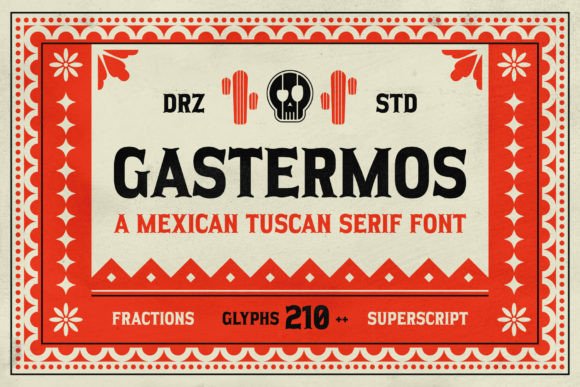
Before integrating Gastermos into a project, it is essential to conduct a brief visual audit of the font's characteristics. The typeface features heavy strokes and ornamental details that draw inspiration from vintage signage and Mexican folk art. Unlike standard serif fonts used for readability in long-form content, Gastermos is built for impact. Its design language suggests heritage, craftsmanship, and a certain level of theatricality.
In a broader design process, this font serves as a primary visual anchor. It interacts with other design elements by setting a specific tone. When paired with clean sans-serif fonts, such as Helvetica or Roboto, Gastermos creates a high-contrast hierarchy that allows the headers to stand out without overwhelming the reader. When used alongside other decorative elements, such as hand-drawn illustrations or textured backgrounds, it reinforces a vintage or artisanal narrative. The decision to use Gastermos should be made during the mood boarding phase of a project, ensuring that the font aligns with the project's core message before any wireframing or layout work begins.
Pre-Production: Planning for Visual Impact
The implementation of a specialized font like Gastermos requires foresight. In the planning stage, content strategists and designers must identify the specific touchpoints where the font will be deployed. Because of its intricate detailing, Gastermos is best reserved for high-visibility elements such as logos, hero section headlines, posters, album covers, or packaging headers. Attempting to use it for subheadings or body copy often leads to visual clutter and reduced legibility, particularly on digital screens with lower resolutions.
A practical workflow involves mapping out the information hierarchy of the deliverable. For instance, if a small business owner is designing a menu for a Mexican-inspired restaurant, the section headers ("Appetizers," "Cocktails," "Desserts") are ideal candidates for Gastermos. The item descriptions and prices, however, should utilize a highly legible serif or sans-serif font. This preparation ensures that the aesthetic appeal of Gastermos enhances the user experience rather than hindering it. It is also vital to verify licensing and compatibility at this stage. Ensuring that the font files are web-optimized (WOFF2 format) or print-ready (OTF/TTF) prevents technical bottlenecks later in the production pipeline.
Digital Implementation and Responsiveness
When applying Gastermos in digital environments, such as website headers or social media graphics, the execution phase focuses on technical adaptability. The ornate nature of Mexican Tuscan serifs can sometimes present challenges regarding file size and rendering speed. Developers and designers should implement font subsetting if possible, removing unused characters to reduce load times.
Furthermore, responsiveness is a critical consideration. On mobile devices, the intricate details of Gastermos can merge or become muddy if the font size is too small. A practical step in the workflow is to establish a breakpoint in CSS where the font transitions to a simpler typeface for smaller viewports, or to ensure that the header size scales down appropriately without losing the clarity of the serifs. Testing across multiple devices is a non-negotiable part of the quality control process when using such a distinct typeface.
Print Production and Texture
In print workflows, Gastermos interacts beautifully with physical textures. The font is inspired by vintage design, so it pairs exceptionally well with uncoated paper stocks, letterpress printing techniques, or foil stamping. For freelancers and publishers working on book covers or zines, the execution involves ensuring adequate kerning and leading. Because the letters have unique silhouettes, the default spacing provided by design software like Adobe Illustrator or InDesign often requires manual adjustment to achieve optical balance. Taking the time to kern the headlines manually ensures that the text feels like a cohesive artistic element rather than a random assembly of letters.
Integration with Branding and Marketing Materials
For entrepreneurs and marketers, Gastermos offers a powerful way to differentiate a brand in a crowded market. The font conveys a message of "authenticity" and "tradition" without needing additional copy to explain it. This is particularly useful for brands in the food, beverage, or artisanal goods sectors. However, integration requires consistency.
A practical implementation tip is to create a comprehensive style guide that dictates exactly how Gastermos is to be used. This document should specify the font weight, the color codes to be used with it, and the minimum size for legibility. By codifying these rules, businesses ensure that whether the font is appearing on a website, an email newsletter, or a physical storefront sign, the visual identity remains unified. This consistency builds brand recognition and trust over the long term.
Moreover, Gastermos interacts effectively with photography. Because the font has a vintage vibe, it complements photography styles that utilize warm tones, grain, or natural lighting. A workflow example would be a photographer creating a watermark or a portfolio cover. Using Gastermos for the title of the collection can frame the images within a specific artistic narrative, enhancing the perceived value of the work.
Optimizing for Accessibility and Longevity
While Gastermos is a decorative font, accessibility cannot be ignored in the planning process. The high-contrast and ornamental nature of the typeface can pose challenges for users with visual impairments or dyslexia. Therefore, it is a best practice to ensure that any critical information conveyed in Gastermos is also available in a more accessible format, such as "alt text" for images or ARIA labels for web elements.
From a longevity perspective, trends in typography can be cyclical. However, fonts rooted in historical styles, like the Tuscan serif, tend to have a longer shelf life than those based on fleeting digital trends. By using Gastermos sparingly and for high-impact moments, creators can ensure their designs remain relevant. The font acts as a statement piece; when the rest of the design is built on solid, timeless principles, the overall aesthetic remains durable.
Conclusion: The Strategic Value of Distinct Typography
Integrating Gastermos into a project is a strategic decision that goes beyond simple decoration. It is about leveraging a specific visual language to communicate heritage, quality, and distinctiveness. For professionals across various fields—from educators creating engaging course materials to designers crafting immersive brand experiences—the font serves as a bridge between traditional artistry and modern communication needs.
By following a structured workflow that includes careful planning, technical execution, and consistent brand integration, users can maximize the potential of this Mexican Tuscan serif typeface. The key lies in respecting the font's complexity: using it where it shines brightest, pairing it with complementary typefaces, and ensuring that its implementation supports, rather than detracts from, the ultimate goal of clear and effective communication. When managed correctly, Gastermos becomes more than just a set of characters; it becomes a defining feature of the project's success.