Unleash the Scream: Mastering the Toxic Inked Display Font
Understanding the Power of Mysterious Horror Typography
Typography is rarely just about legibility; it is about setting a mood before a single sentence is read. In the world of display fonts, few styles carry as much immediate emotional weight as the horror genre. Among the many options available to designers, Toxic Inked has carved out a distinct niche. It is not merely a collection of letters; it is an atmospheric tool. Defined by its rugged, organic strokes and an unsettling aura, this font captures a specific aesthetic that is simultaneously scary and entertaining. It bridges the gap between classic creature-feature terror and modern graphic design utility.
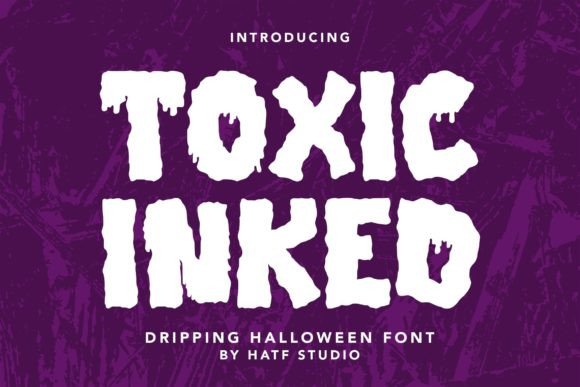
At its core, Toxic Inked is a scary yet fun display font. It utilizes irregular baselines, textured edges, and a sense of movement to create a feeling of unease. The "inked" aspect suggests a hand-drawn, artisanal quality, while the "toxic" element implies something dangerous or cursed. This combination creates a mysterious horror vibe that feels authentic rather than manufactured. For anyone looking to inject a sense of dread or high-stakes drama into a visual project, understanding how to wield this typeface is an essential skill.
Why Different Creators Are Drawn to This Aesthetic
The appeal of a font like Toxic Inked extends far beyond the traditional Halloween party invitation. While it is undeniably perfect for Halloween spooktacular designs, its utility spans a variety of creative fields. The reason for this broad appeal lies in the font's ability to communicate a narrative instantly. It tells the viewer that the content they are about to engage with is intense, mysterious, or thrilling.
Visual Storytellers and Graphic Designers
For graphic designers, typography is a primary tool for establishing hierarchy and tone. When a designer selects Toxic Inked, they are making a deliberate choice to shift the viewer's emotional state. A professional designer might use this font for a horror movie poster, a metal band album cover, or a video game title screen. The font does the heavy lifting of establishing the genre, allowing the rest of the design to focus on composition and color.
However, the application matters. A designer working on a psychological thriller might use the font sparingly for maximum impact, perhaps only for the title. Conversely, a designer creating a flyer for a haunted house attraction might use it more liberally to maintain a consistent atmosphere of fear. The priority here is usually presentation and flexibility. The designer needs the font to render well at large sizes without losing its gritty texture.
Small Business Owners and Event Planners
For small business owners, specifically those in the entertainment, hospitality, or retail sectors, seasonal marketing is crucial. Consider a local pumpkin patch, an escape room, or a specialty bakery selling "scary" treats. These entrepreneurs often lack the budget for custom typography but need professional-looking marketing materials.
Toxic Inked offers a commercial value proposition here. It allows a business owner to create signage, social media posts, and menus that look high-end and thematic without hiring a bespoke lettering artist. For this audience, the priority is often ease of use and speed. They need a font that installs easily, is compatible with standard design software like Canva or Adobe Express, and looks great immediately upon typing. The "fun" aspect of the font is vital here; it should be scary enough to be exciting but not so grotesque that it alienates families or sensitive customers.
Authors and Self-Publishers
In the literary world, especially within the horror, thriller, and dark fantasy genres, cover design is the first marketing hook. Independent authors and self-publishers constantly search for typefaces that convey the genre of their book instantly. A book about a cursed artifact or a haunted town needs a cover that whispers "danger."
For authors, the priority is reliability and legibility. While Toxic Inked is a display font, it must still be readable as a book title. Authors will evaluate this font differently than a poster designer; they will look at how the letters pair with a background image. They need to ensure the "inked" texture doesn't get lost against a complex cover art. They also look at long-term usefulness—can this font be used for the sequel as well? Does it have the range of characters (numbers, punctuation) needed for a full cover layout?
Practical Applications: From Screen to Print
Understanding the theoretical appeal of Toxic Inked is one thing; applying it practically is another. The font’s mysterious horror vibe makes it incredibly versatile, but it requires a thoughtful approach to composition.
Digital Media and Streaming
The rise of content creation on platforms like YouTube and Twitch has created a demand for unique branding. Gamers, particularly those who play survival horror or RPG games, use overlays and stream alerts to engage their audience.
- Stream Alerts: Using Toxic Inked for "New Follower" or "Donation" alerts can reinforce a streamer's brand identity if they focus on dark or spooky content.
- Thumbnail Design: For video editors, thumbnails are the gateway to views. The jagged, energetic lines of Toxic Inked can create a sense of urgency or action in a thumbnail, compelling viewers to click.
- Social Media Headers: Marketers running a "Friday the 13th" sale or a "31 Days of Horror" countdown can use this font to create cohesive headers that unify their content feed.
For digital creators, the priority is often creativity and speed of execution. They need a font that looks dynamic on screen and works well with motion graphics. The inherent movement in the strokes of Toxic Inked translates well to animation, where letters can appear to drip or dissolve.
Physical Products and Merchandise
Display fonts are not just for paper; they are increasingly used on physical merchandise. T-shirt designers, in particular, look for fonts that have a distressed or vintage look. Toxic Inked fits this market perfectly. The "inked" texture mimics the imperfections of screen printing or embroidery, making it feel authentic on fabric.
A hobbyist starting a print-on-demand store might use this font for a Halloween-themed apparel line. They would evaluate the font based on how it looks in a single color (usually white or black) against a colored shirt. The quality of the vector paths is critical here; if the edges are too jagged, they can cause issues with vinyl cutting or direct-to-garment printing.
Evaluating Toxic Inked for Your Specific Needs
With so many horror fonts on the market, how do you decide if Toxic Inked is the right choice for your project? The decision depends on matching the font's characteristics with your specific goals and skill level.
For Beginners and Hobbyists
If you are new to design, you might be drawn to Toxic Inked simply because it looks cool. That is a valid reason! However, beginners should be cautious about readability. Horror fonts can be complex, and placing them over a busy background can result in visual chaos.
Practical Tip: Start by using Toxic Inked for short, impactful headlines—three words or fewer. Pair it with a clean, sans-serif font for any body text. This contrast allows the horror font to shine without overwhelming the viewer. For a beginner, the learning value lies in understanding how to create contrast and hierarchy using type.
For Educators and Community Organizers
It might seem strange to include educators in a discussion about horror fonts, but context is everything. A teacher organizing a school haunted house, a library running a "Spooky Reads" campaign, or a community theater promoting a Dracula production all need accessible, thematic designs.
For this group, the priority is appropriateness and cost. They need to ensure the font is licensed for their specific use (especially if printing physical tickets or merchandise) and that the "scary" elements are age-appropriate for their audience. Toxic Inked strikes a balance that is more "fun scary" than "disturbing," making it a safer choice for family-oriented events compared to more gory or aggressive typefaces.
Professional Branding and Identity
For professionals, such as a branding agency or a marketing firm, the evaluation criteria shift toward uniqueness and tone matching. In a saturated market, generic fonts can make a brand look forgettable. If a client operates in the entertainment or nightlife industry, Toxic Inked could be the differentiator that sets their brand voice apart.
However, professionals must also consider longevity. Trends in typography change. While the horror genre is perennial, specific styles can feel dated after a few years. A professional might use Toxic Inked for a seasonal campaign or a specific product launch rather than a permanent logo, ensuring the brand remains flexible for future evolution.
The Art of Atmosphere and Readability
The ultimate test of any display font is the balance between atmosphere and readability. Toxic Inked succeeds because it prioritizes a specific mood—mysterious, gritty, and energetic—without sacrificing the fundamental structure of the letters. You can still read the words, even though they feel dangerous.
This balance is what makes the font "scary yet fun." It evokes the thrill of a roller coaster or a scary movie. It invites the viewer in rather than pushing them away. Whether you are a blogger writing about true crime, a freelancer designing a podcast cover, or a hobbyist making invitations for a murder mystery dinner, this font provides a ready-made solution for complex emotional communication.
When you choose Toxic Inked