Blueberry: The Handwritten Font with Heart
When you're designing something that needs to feel personal—a card for a loved one, a t-shirt for a community event, or a poster for a local fair—the typeface you choose carries the emotional weight. A sterile, corporate font can undercut your message before a single word is read. This is where a typeface like Blueberry steps in. It’s not just a collection of letters; it’s a tool for conveying warmth, personality, and a casual sincerity that resonates on a human level.
Understanding Blueberry's Core Appeal
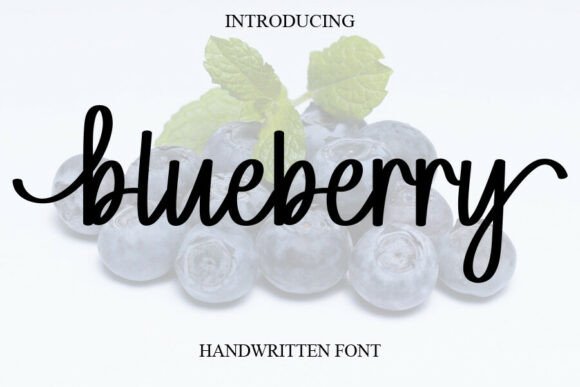
At its heart, Blueberry is a tall, playful handwritten font. Its characters are slim and elongated, giving text a friendly and approachable verticality. Unlike some overly whimsical scripts that sacrifice readability for flair, Blueberry maintains a clean, legible baseline. The charm is in its imperfections—the slight variations in stroke, the gentle curves that mimic a real pen held by a real hand. This combination of casual style and heartfelt feel makes it exceptionally versatile for projects where connection is key.
Key Characteristics That Define the Font
- Elongated Form: The tall x-height and ascenders create a sense of openness and lightness, preventing text from feeling cramped or heavy on a design.
- Playful Yet Legible: The handwritten style is evident, but letterforms are distinct enough to ensure clarity, even at smaller sizes or in quick glances.
- Warm Personality: It avoids the cold precision of geometric sans-serifs and the overly formal nature of traditional serifs, landing in a sweet spot of approachable sincerity.
- Casual Sincerity: It feels genuine, not contrived. This makes it suitable for messages meant to come from the heart, not a corporate boardroom.
Where Blueberry Truly Shines: Practical Applications
The real test of any design asset is its utility across different scenarios. Blueberry finds its strength in contexts that value emotional engagement over corporate formality.
Personal and Emotional Projects
This is Blueberry's native territory. Think beyond generic greeting cards. Use it for:
- Handwritten-Style Invitations: For birthdays, baby showers, or casual weddings, Blueberry can set a relaxed, joyful tone from the moment the envelope is opened.
- Family Photo Books & Journals: Captions and titles in Blueberry add a personal, scrapbook-like feel to digital or printed memory books.
- DIY Craft Projects: From vinyl decals for mugs to labels for homemade jam, the font adds a professional-yet-handcrafted touch.
- Father's Day & Mother's Day Designs: Its heartfelt nature makes it perfect for cards, posters, or t-shirts celebrating family.
Small Business and Marketing
For brands built on authenticity and community, Blueberry can be a strategic asset.
- Product Packaging & Labels: Artisanal goods, boutique items, or farmers' market products benefit from the font's handcrafted aesthetic, suggesting care and small-batch quality.
- Social Media Graphics: Quotes, announcements, and customer appreciation posts gain a friendly, approachable voice when set in Blueberry, boosting engagement.
- Event Flyers & Posters: For local workshops, community fundraisers, or casual business openings, it communicates warmth and inclusivity more effectively than a standard corporate font.
Digital and Creative Endeavors
Digital creators can leverage Blueberry to build a distinct visual identity.
- Blog Headers & Pull Quotes: Use it for article titles or highlighted quotes to break the monotony of body text and inject personality.
- Website Accents: A single word or a short phrase in Blueberry on a landing page can draw attention and create a memorable focal point.
- Podcast & YouTube Branding: Channel art, episode thumbnails, or intro graphics can use Blueberry to signal a relaxed, conversational tone.
- Apparel & Merchandise: T-shirt slogans, tote bag designs, and sticker text often require a font that feels custom and expressive, which Blueberry delivers.
Maximizing Blueberry's Potential: Tips and Considerations
Using a font like Blueberry effectively requires more than just applying it to a headline. Here’s how to integrate it thoughtfully.
Pairing for Contrast and Hierarchy: Blueberry works best as a display or headline font. Pair it with a clean, neutral sans-serif (like Montserrat, Lato, or Open Sans) for body text. This creates a clear visual hierarchy where the handwritten font draws the eye and the sans-serif ensures prolonged readability.
Context is Everything: While versatile, it’s not a universal solution. Avoid using Blueberry for formal business reports, legal documents, or technical manuals where clarity and a serious tone are paramount. Its strength is in emotional and casual communication.
Size and Spacing Matter: Because of its tall, slim characters, Blueberry can look elegant at larger sizes. At very small sizes, ensure there is enough line spacing (leading) to maintain legibility, especially in print. Test your designs at the intended viewing size.
Color and Background: The font's friendly character pairs well with warm, earthy tones or vibrant, playful colors. Ensure sufficient contrast between the text and its background, particularly in digital applications, to maintain accessibility.
A Final Thought on Choosing the Right Font
Selecting a typeface is a decision about voice and tone. Blueberry offers a specific voice: one that is warm, personal, and gently playful. It’s a font that doesn’t take itself too seriously but still communicates with care and intention. For designers, marketers, and creators looking to bridge the gap between digital precision and human warmth, it provides a valuable tool. The next time your project calls for a touch of sincerity, consider giving Blueberry a try—it might just be the ingredient that makes your message feel truly heartfelt.