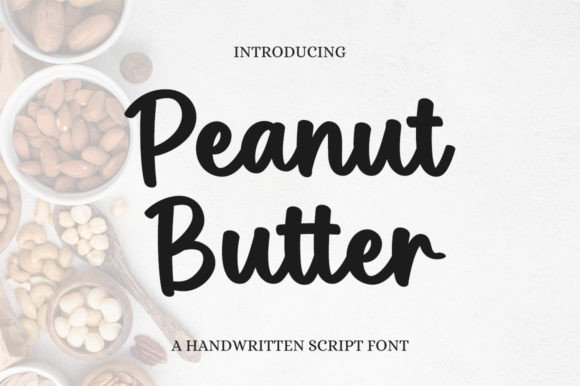
Peanut Butter: The Handwritten Font That Adds Elegance to Any Design
In the vast world of typography, finding a font that balances personality with professionalism can be a challenge. Peanut Butter emerges as a standout solution for designers and creators seeking a handwritten style that feels both delicate and refined. Unlike casual script fonts that might appear too informal, Peanut Butter offers a flowing, elegant aesthetic that elevates projects without sacrificing readability.
Understanding the Appeal of Peanut Butter
At its core, Peanut Butter is a handwritten typeface characterized by its smooth, well-balanced letterforms. Each character is crafted to maintain a natural flow while ensuring consistency across the entire set. This makes it particularly versatile—it works beautifully in large headlines as well as in smaller text blocks where clarity is essential.
One of the key features that sets Peanut Butter apart is its PUA (Private Use Areas) encoding. For designers, this means access to a full suite of alternate glyphs, swashes, and stylistic variations. Instead of being limited to a single look, users can mix and match characters to create custom typographic compositions that feel unique and tailored.
Common Design Challenges Peanut Butter Addresses
Many professionals face recurring issues when selecting fonts for branding, packaging, or digital content:
- Finding a balance between casual and polished: Too often, handwritten fonts lean too far toward either extreme—too playful for corporate use or too stiff for creative projects.
- Limited character sets: Some decorative fonts lack essential glyphs, making multilingual support or special punctuation difficult.
- Overuse of trending styles: Fonts that follow fleeting design trends can quickly date a project, reducing its longevity.
Peanut Butter addresses these pain points by offering a timeless, adaptable style. Its elegant curves and balanced weight make it suitable for both modern and classic design contexts.
Branding and Logo Design
For businesses aiming to convey warmth, authenticity, and approachability, Peanut Butter is an excellent choice. A boutique bakery, artisan coffee shop, or lifestyle brand could use it to craft logos that feel personal yet professional. The font’s flowing nature suggests craftsmanship and attention to detail—qualities that resonate with consumers seeking authentic products.
Wedding and Event Stationery
Invitations, place cards, and event programs benefit greatly from fonts that feel personal. Peanut Butter’s delicate strokes add a romantic, handcrafted touch without appearing messy or difficult to read. Event planners and stationery designers often rely on it to create cohesive suites that feel both elegant and intimate.
Digital Content and Social Media
In the crowded landscape of social media, distinctive typography helps brands stand out. Peanut Butter can be used for quote graphics, story overlays, or website headers that need a human touch. Its readability at various sizes ensures that messages remain clear, even on mobile screens.
Packaging and Product Labels
Product packaging requires fonts that communicate quickly and effectively. Peanut Butter’s clean, flowing letterforms work well for labels on cosmetics, gourmet foods, or handmade goods. The font’s elegance suggests premium quality, helping products attract discerning customers.
How Different Users Can Leverage Peanut Butter
The versatility of Peanut Butter means it can be adapted to suit various workflows and creative visions:
- Graphic designers might use it for client projects ranging from restaurant menus to real estate brochures, appreciating its ability to convey sophistication without feeling stuffy.
- Small business owners could incorporate it into their DIY marketing materials, such as flyers, business cards, or email headers, to add a professional yet personal touch.
- Crafters and hobbyists often use it for scrapbooking, digital journaling, or creating custom quotes for home décor.
Each user brings a different context, but the font’s adaptability ensures it meets their needs effectively.
Maximizing the Potential of Peanut Butter
To get the most out of this font, consider the following practical tips:
- Pair it wisely: Combine Peanut Butter with a clean, simple sans-serif for body text. This creates a visual hierarchy that keeps designs balanced and readable.
- Explore alternates: Thanks to its PUA encoding, experiment with different swashes and ligatures to add variety. A single project can feature multiple stylistic variations without losing cohesion.
- Test at different sizes: Always preview your design at multiple scales to ensure legibility. While Peanut Butter performs well in most contexts, testing helps avoid unexpected issues in print or digital formats.
- Consider color and spacing: Handwritten fonts often benefit from slightly increased letter spacing. Pairing Peanut Butter with muted, natural color palettes can enhance its elegant feel.
Why Peanut Butter Stands Out in a Crowded Market
The font market is saturated with options, but few manage to combine beauty, functionality, and accessibility as seamlessly as Peanut Butter. Its well-crafted characters ensure that even intricate designs remain clear, while its PUA encoding gives users creative freedom that many competitors lack.
For those seeking a font that feels personal yet polished, Peanut Butter offers a compelling solution. Whether you’re designing a wedding invitation, building a brand identity, or crafting social media content, its delicate elegance and practical versatility make it a valuable addition to any designer’s toolkit.
By understanding its strengths and applying it thoughtfully, you can create designs that resonate with authenticity and style—proving that great typography is about more than just letters on a page. It’s about telling a story with grace and intention.