Retro Groove Stacked: The Bold Typeface Reviving Groovy Aesthetics for Modern Design
In the ever-evolving world of digital design, there is a persistent fascination with the past. We often look back to the analog eras—the disco balls of the 70s, the neon grids of the 80s, and the bold geometric shapes of the 90s—to find inspiration that breaks through the monotony of modern minimalism. However, utilizing vintage typography often comes with a caveat: while authentic, older fonts can sometimes lack the technical precision or versatility required for contemporary digital screens. This is where Retro Groove Stacked enters the conversation, offering a bridge between the nostalgia of yesterday and the high-definition requirements of today.
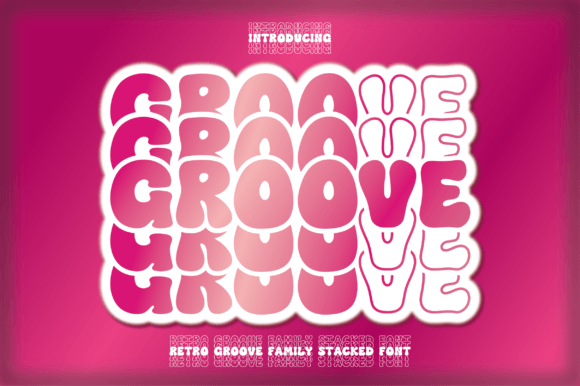
Retro Groove Stacked is not merely a font; it is a design statement. As a captivating display typeface, it pays homage to the vibrant era of groovy designs through its unique vertical arrangement. Unlike traditional typefaces where letters sit side-by-side, the "stacked" nature of this font allows for compact, impactful headers that command immediate attention. It effortlessly evokes nostalgia while adding a modern twist, making it a perfect tool for eye-catching headlines, posters, and any project in need of a touch of retro charm. But who exactly needs this font, and how can it be integrated into professional workflows without looking kitschy? This guide explores the utility, application, and strategic value of integrating this typeface into your creative arsenal.
Anatomy of the Groove: Understanding the Stacked Aesthetic
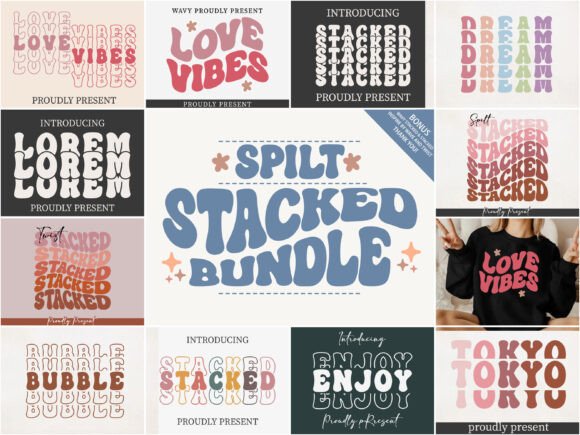
To appreciate the value of Retro Groove Stacked, one must first understand the mechanics of "stacked" typography. In standard typography, we read horizontally. However, stacked fonts arrange letters vertically, creating a column-like structure. This technique was a staple of 1970s concert posters and vintage signage, where vertical space was often more abundant than horizontal width.
The "Groove" aspect refers to the stylistic execution of the letterforms. Expect to see rounded terminals, thick strokes, and a sense of weight that feels substantial. The characters often mimic the visual language of bubble letters or block serifs, which were hallmarks of the disco and funk era. When you combine this visual weight with a vertical orientation, you get a typeface that occupies space efficiently while radiating energy.
Unlike a standard serif or sans-serif font that prioritizes readability in long-form text, Retro Groove Stacked prioritizes impact. It is a "display" font, meaning it is designed to be seen, not just read. The characteristics of the font—high contrast, bold weight, and tight spacing—make it unsuitable for body copy but ideal for the moments in a design where you need the viewer to stop scrolling and pay attention.
The Versatility of Vintage: Where to Use Retro Groove Stacked
The true power of Retro Groove Stacked lies in its versatility across different mediums. While it is rooted in a specific aesthetic, its application spans a wide range of industries. It is not limited to musicians or vintage collectors; business owners and content creators can leverage this typeface to inject personality into their brands.
1. Branding and Logo Design
For businesses aiming to position themselves as approachable, fun, or creative, a logo set in Retro Groove Stacked can be a game-changer. Coffee shops, craft breweries, barbershops, and lifestyle brands often struggle to find a font that feels "classic" without being stuffy. This font offers a solution. Its stacked nature allows for compact logo marks that fit easily into social media profile pictures and app icons, maintaining legibility even at smaller sizes.
2. Event Marketing and Posters
The most natural habitat for this typeface is the event poster. Whether you are designing a flyer for a local music festival, a community bake sale, or a corporate gala with a 70s theme, Retro Groove Stacked provides the hierarchy needed to organize information. Because the letters are stacked, you can create massive headlines that take up vertical space without breaking the layout, leaving ample room for dates, times, and locations below.
3. Digital Content and Social Media
In the fast-paced environment of Instagram Reels or TikTok, visual hooks are essential. Creators can use Retro Groove Stacked for video thumbnails or cover images. The font's thick, bold lines ensure that text remains readable even on small mobile screens. It pairs exceptionally well with grainy filters, vaporwave color palettes, or modern gradients, allowing creators to blend current trends with retro aesthetics.
4. Merchandise and Apparel
The fashion industry cycles through trends, and currently, the demand for vintage-feeling apparel is at an all-time high. Retro Groove Stacked translates beautifully to screen printing and embroidery. The bold, blocky nature of the letters ensures that the design holds up well on fabric, and the stacked format creates an interesting visual dynamic on t-shirts, tote bags, and hats.
Strategic Implementation: Strengths and Considerations
While the aesthetic appeal of Retro Groove Stacked is undeniable, using it effectively requires a strategic approach. Every typeface has its strengths and limitations, and understanding these is the difference between a professional design and an amateur one.
The Strengths
- Immediate Attention: The bold, stacked structure acts as a visual anchor. It draws the eye faster than standard horizontal text.
- Space Efficiency: By stacking letters, you can fit large text into narrow columns, which is excellent for responsive web design or mobile-first layouts.
- Emotional Connection: Nostalgia is a powerful marketing tool. Retro Groove Stacked instantly triggers a sense of familiarity and warmth, making the content more relatable.
The Considerations and Limitations
No font is perfect for every scenario. Retro Groove Stacked is a display font, which means it has specific limitations regarding legibility.
- Avoid Body Text: Never use this font for paragraphs, descriptions, or fine print. The heavy weight and distinct shapes will create a "wall of text" that is impossible to read, causing eye strain for the user.
- Contrast is Key: Because the font is so stylistic, it requires a very clean background. Placing Retro Groove Stacked over a busy photograph or a complex pattern can make the text disappear. It works best on solid colors or with a distinct overlay.
- Pairing with Simplicity: To maintain balance, pair this font with a simple, neutral sans-serif font (like Helvetica, Arial, or Open Sans). Let the retro font do the shouting, and let the modern font do the whispering.
Real-World Scenario: The "Summer Soul" Music Festival
To illustrate the practical application of Retro Groove Stacked, let’s imagine a scenario. You are tasked with creating the branding for a fictional event called the "Summer Soul Music Festival." The vibe is upbeat, energetic, and nostalgic.
The Challenge: You need to create a poster that looks good both as a physical print on a telephone pole and as a digital image on a smartphone screen.
The Solution: You select Retro Groove Stacked for the headline "Summer Soul." Because the font is stacked, the word "Summer" sits directly on top of "Soul," creating a square-shaped block of text. This allows you to make the font size massive, ensuring it is the first thing people see. You pair this with a vibrant orange or teal background—colors typical of the 70s.
For the supporting information—the dates, the location, and the ticket prices—you switch to a clean, light-weight sans-serif font. This contrast ensures that while the vibe is retro, the information is delivered with modern clarity. The result is a design that feels professional, cohesive, and perfectly captures the "groovy" energy of the event.
Evaluating Suitability: Is This Font Right for Your Project?
Before committing to Retro Groove Stacked, it is helpful to run through a quick mental checklist. This evaluation ensures that the font aligns with the project's goals and the audience's expectations.
- What is the tone? If the project is serious, legal, or medical, this font is likely inappropriate. If the project is creative, entertainment-focused, or lifestyle-oriented, it is a strong candidate.
- Who is the audience? While the font appeals to a general audience, it resonates most strongly with those who appreciate vintage aesthetics or pop culture. If your target demographic prefers ultra-modern, sleek minimalism, use this font sparingly.
- How will it be displayed? If the design is primarily for small mobile text, avoid it. If the design is for large headers, banners, or print, embrace it.
Ultimately, Retro Groove Stacked is a tool for expression. It allows designers to break free from the rigid grid systems of modern UI design and inject a little bit of soul into their work. It reminds us that design can be fun, playful, and full of character.
Conclusion: Blending Eras with Confidence
The resurgence of retro design is not just a fleeting trend; it is a testament to the enduring appeal of the groovy era. Retro Groove Stacked offers a reliable, high-quality way to tap into this aesthetic without sacrificing the technical standards of modern design. By understanding its characteristics—its bold weight, its vertical orientation, and its emotional impact—you can use this typeface to elevate your projects.
Whether you are a business owner looking to refresh your logo, a designer crafting a festival poster, or a creator aiming to make your social media pop, Retro Groove Stacked provides the necessary flair. It is a reminder that while design trends come and go, a solid, well-crafted typeface remains timeless. By pairing this groovy display font with clean layouts and thoughtful typography, you can create designs that are not only visually stunning but also deeply engaging for your audience.