Rumonds: A Modern Gothic Font for Majestic Branding
In the vast landscape of typography, certain typefaces do more than simply present text; they establish an atmosphere, tell a story, and evoke a powerful emotional response. Rumonds is one such font, a unique blackletter display type that masterfully bridges centuries of design history. It takes the foundational elements of traditional Gothic script—the dramatic weight, the calligraphic roots, and the sense of authority—and reinterprets them for the contemporary designer. This is not a mere historical replica but a thoughtful evolution, offering a fresh perspective on a classic style.
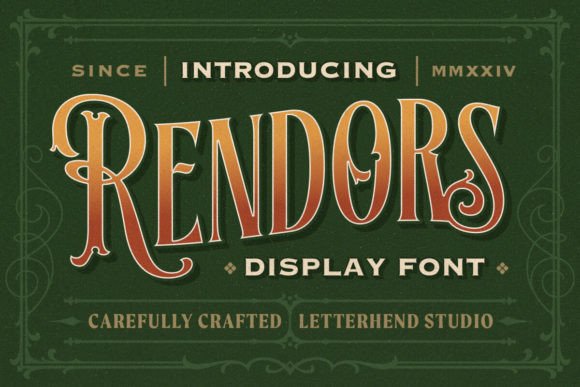
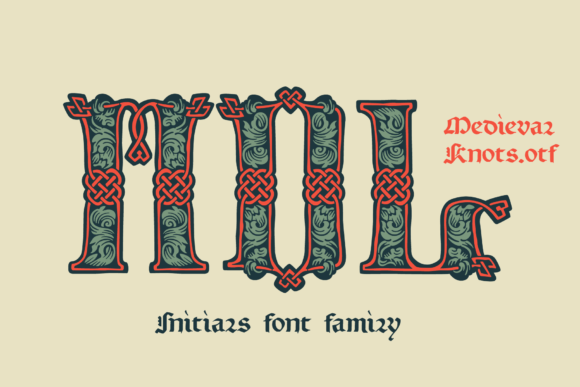
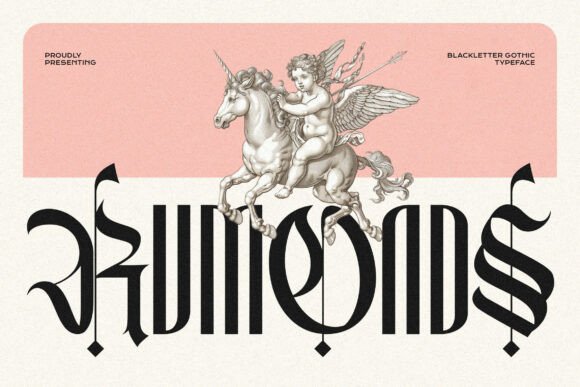
At its core, Rumonds is defined by its striking visual characteristics. It features thick, commanding vertical strokes that provide a strong sense of stability and presence on the page. These are complemented by sharp, pointed serifs that add a layer of precision and modern edge, preventing the design from feeling overly antiquated. The font's true distinction, however, lies in its ornate complexity. Each letterform is adorned with numerous embellishments and flowing curved strokes, transforming the alphabet into a series of intricate, almost heraldic symbols. This elaborate nature is what gives Rumonds its majestic and ancient vibe, making it an ideal choice for projects that require a touch of grandeur.
Where History Meets Modern Aesthetics
The genius of Rumonds lies in its versatility. It successfully synthesizes the historical essence of blackletter with clean, contemporary design sensibilities. This duality allows it to function effectively across a surprising range of applications. For a project steeped in tradition—such as a historical documentary title, a fantasy novel cover, or a classical music event poster—Rumonds provides immediate and authentic thematic resonance. Its intricate details suggest a story, a lineage, and a depth of character that simpler fonts cannot convey.
Conversely, when used in a modern context, Rumonds becomes a bold statement piece. A luxury brand seeking to communicate exclusivity, heritage, and meticulous craftsmanship might employ it for a logo or headline. The font's elaborate nature implies a commitment to quality and detail, suggesting that the product or service it represents is equally refined. In this way, Rumonds acts as a visual shorthand for value, helping creators and entrepreneurs instantly establish a premium brand identity.
Practical Applications for Creators and Professionals
Understanding where Rumonds can be most effective allows you to leverage its strengths to improve your creative output and strengthen your communication. Here are several practical scenarios where this font can make a meaningful impact:
- Publishing and Editorial Design: For book covers in the fantasy, historical fiction, or mythology genres, Rumonds is a powerful tool. It can set the tone for the entire narrative before a single page is turned. Imagine the title of an epic fantasy series rendered in this font—it immediately promises adventure, mystery, and a richly built world. Interior chapter headings can also benefit, providing a consistent and immersive aesthetic throughout the reading experience.
- Branding and Logo Design: Small business owners, particularly those in artisanal crafts, bespoke services, or high-end retail, can use Rumonds to create a distinctive logo. A chocolatier, a craft distillery, or a bespoke tailor could use the font to suggest tradition, skill, and a luxurious product. It helps solve the problem of standing out in a crowded market by offering a visual identity that is both memorable and rich with connotation.
- Digital Media and Content Creation: Bloggers, podcasters, and video creators focused on niche topics like medieval history, mythology, or classic literature can use Rumonds for their branding elements. A podcast cover, a YouTube channel header, or social media graphics can gain a significant boost in perceived professionalism and thematic coherence. This supports the goal of building a dedicated audience by presenting content with a polished and intentional visual style.
- Event and Invitation Design: For weddings, themed parties, or theatrical productions, Rumonds can elevate invitations and promotional materials. Its majestic quality is perfect for events that aim to create a sense of occasion and grandeur, saving time in the design process by providing an instant mood.
Who Benefits Most from Using Rumonds?
While its appeal is broad, certain professionals and creators will find Rumonds particularly indispensable. Graphic designers working on branding projects for clients in the luxury, heritage, or fantasy sectors will appreciate its ability to convey complex ideas through form alone. Freelance illustrators and authors can use it to create compelling covers and title treatments that attract the right audience. Marketers and small business owners can employ it strategically in headlines or logos to build brand equity and communicate a message of quality and depth without words. Even educators creating materials for history or literature courses might use it for chapter titles to enhance the learning experience with visual authenticity.
A Thoughtful Consideration: Context is Key
As with any highly stylized typeface, the power of Rumonds is best realized when used with intention. Its intricate details and strong personality make it a display font, optimized for headlines, logos, and short bursts of impactful text. Using it for long paragraphs of body copy would likely hinder readability and defeat its purpose. The value of Rumonds is unlocked when it is paired with a simpler, highly legible sans-serif or serif font for supporting text. This contrast creates a dynamic and professional typographic hierarchy, allowing the majesty of Rumonds to shine without overwhelming the viewer.
Furthermore, its strong historical and fantasy associations make it a less suitable choice for projects that require a strictly neutral, corporate, or minimalist aesthetic. The key is alignment. When the font's personality matches the project's goals, it becomes an invaluable asset. When there is a mismatch, it can create a dissonant message. Therefore, always consider the overall context and desired audience perception before implementation.
Integrating Rumonds into Your Workflow
To effectively incorporate Rumonds into your design toolkit, start by using it for a single, high-impact element. Experiment with it for a project title, a logo lockup, or a hero section headline on a website. Observe how its vertical emphasis and ornate curves interact with your other design elements, such as imagery and color palette. The goal is to use its complexity to add a layer of sophistication, not clutter. By applying it thoughtfully, you can harness its ability to evoke a sense of history and luxury, ultimately strengthening the visual communication and emotional resonance of your work.