Amsterdam Signature: Elevating Your Designs with Authentic Handwritten Charm
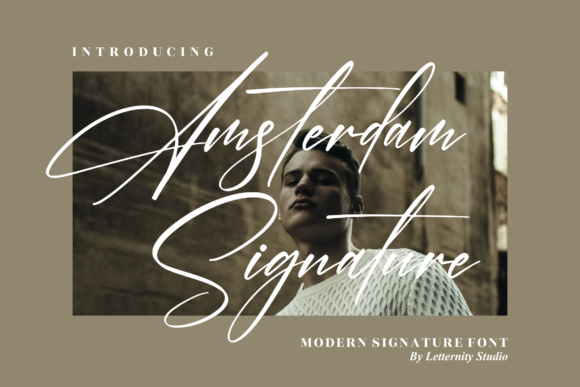
In the crowded landscape of digital design, the pursuit of authenticity is paramount. We often find ourselves scrolling through endless lists of geometric sans-serifs and rigid serifs, looking for something that breaks the mold. That is where Amsterdam Signature enters the conversation. It is an enchanting, flowing handwritten font that captures the spontaneity of pen on paper. For creators ranging from graphic designers to small business owners, this typeface offers a versatile script solution that spans a wide spectrum of applications, from intimate greeting cards to bold, eye-catching headlines. It promises to add a romantic and personal feel to any project, bridging the gap between digital precision and human emotion.
However, the allure of a beautiful script font often leads designers—both amateur and professional—into common pitfalls. Because Amsterdam Signature is so expressive, it requires a specific approach to typography that many overlook. The difference between a sophisticated, romantic layout and a chaotic, unreadable mess often comes down to understanding the nuances of this specific style. To truly unlock the potential of this font, we must look beyond its aesthetic appeal and understand the practical mechanics of its application.
Understanding the Anatomy of Amsterdam Signature
Before diving into application, it helps to understand what makes Amsterdam Signature distinct. Unlike a standard block letter, this font mimics the fluidity of cursive handwriting. It features connecting strokes, varying baseline heights, and stylistic alternates that give it a lived-in quality. It is not merely a collection of letters; it is a rhythm. This rhythmic quality is what allows it to convey emotion so effectively, making it ideal for projects that require a human touch.
The versatility of Amsterdam Signature is one of its strongest assets. It is not limited to one niche. You might see it used to create a warm, welcoming atmosphere on a coffee shop menu, or to add a layer of intimacy to a wedding invitation. For marketers, it can soften the hard edges of a sales pitch, making a brand feel more approachable. However, this versatility is a double-edged sword. Because it fits "everywhere," people often assume it can be used "anywhere" without modification. This assumption is the root of most design errors involving script fonts.
The Legibility Trap: A Common Oversight
The most frequent mistake people make with Amsterdam Signature is prioritizing style over substance, specifically regarding legibility. When you are captivated by the romantic loops and swirls of a script, it is easy to forget that text has a job to do: it must be read.
Imagine a scenario where a freelancer is designing a logo for a client. They fall in love with the look of Amsterdam Signature and decide to use it for the entire brand identity, including the sub-header and contact information. The result? The header looks stunning, but the phone number and address are a blur of ink. Potential customers squint at the screen, frustrated, and eventually leave the page. The romantic feel has inadvertently cost the business money.
The issue here is not the font itself, but the context of its use. Amsterdam Signature is designed for display purposes—headlines, logos, and short accents. It is not optimized for body text. When you shrink a complex script font to 12-point size for a paragraph, the connecting strokes often bleed together, creating what typographers call "visual noise."
Better Approach: Always pair Amsterdam Signature with a clean, highly legible sans-serif or serif font for body copy. Use the script font to draw the eye in with a headline, then let a font like Open Sans, Roboto, or Lora handle the heavy lifting of the content. This contrast not only improves readability but also highlights the beauty of the script by setting it against a cleaner backdrop.
Spacing and Kerning: The Invisible Makeover
Another overlooked detail is the default spacing of the font. Digital fonts come with preset kerning (the space between specific character pairs), but handwritten fonts are notorious for needing manual adjustments. The nature of cursive is that letters flow into one another, but sometimes digital rendering creates awkward gaps or collisions.
For instance, consider the connection between a lowercase 'o' and a following letter in Amsterdam Signature. Depending on the software, there might be a slight disconnect where the line breaks, or the loop of the 'o' might crash into the next letter. While subtle, these glitches break the illusion of real handwriting. It makes the text look "digital" rather than "authentic."
Practical Advice: If you are using Amsterdam Signature for a logo or a large headline, do not settle for the default tracking and kerning. Take the time to adjust the letter spacing manually in your design software (like Adobe Illustrator or Affinity Designer). Ensure the strokes connect smoothly. This attention to detail separates amateur work from professional design. It ensures the "handwritten" effect remains convincing.
Choosing the Right Context and Background
Context is everything in design. Amsterdam Signature thrives in environments that complement its personality. However, a common error is placing this font over busy, high-contrast backgrounds. A romantic, flowing script can get lost in a chaotic photo, or worse, become visually jarring when placed against aggressive geometric patterns.
Imagine a social media graphic for a lifestyle blog. The creator places a quote written in Amsterdam Signature over a photo of a bustling city street with high-contrast shadows. The text fights for attention against the background, and the delicate swashes of the font disappear into the noise of the image. The "romantic feel" is lost to visual clutter.
The Solution: Treat Amsterdam Signature like a delicate instrument. It performs best on clean, simple backgrounds or over images with soft focus and low contrast. If you must place it over a photo, use a semi-transparent overlay, a solid color block, or a drop shadow to separate the text from the background. This ensures the font remains the focal point and retains its elegant charm.
Technical Evaluation: What to Check Before You Buy or Download
Before committing to Amsterdam Signature for a major project, it is wise to evaluate the technical quality of the font file. Not all script fonts are created equal. A high-quality font will include a variety of features that enhance usability.
Here is a checklist for evaluating Amsterdam Signature:
- Stylistic Alternates: Does the font offer different versions of key letters? If you are writing a word with double letters (like "ll" in "hello"), you want them to look different to mimic natural handwriting.
- Ligatures: Good script fonts include ligatures—special characters that combine two letters into a smoother, more natural shape. This prevents repetitive patterns that look robotic.
- Language Support: If you are creating content for an international audience, check if Amsterdam Signature supports accented characters and other diacritics. A lack of support can lead to empty boxes or mismatched fonts in your text.
- File Format: Ensure the font is available in formats compatible with your software, such as OTF (OpenType) or TTF (TrueType). OTF files generally offer more advanced features.
By checking these elements, you ensure that Amsterdam Signature is not just a pretty face, but a robust tool that can handle complex design requirements. Investing in a high-quality version of the font prevents headaches later when you realize you cannot customize a specific letter or support a specific character.
Avoiding the "Trendy" Trap
Design trends come and go. While Amsterdam Signature has a timeless quality, the way it is used can date a project. A common mistake is combining a romantic script with too many other trendy elements—think excessive watercolor textures, gold foil effects, and bokeh backgrounds all at once. This creates a "Pinterest circa 2015" look that feels cluttered and derivative.
A Better Choice: Let the font do the talking. Use Amsterdam Signature in a minimalist layout. Pair it with plenty of white space and a modern, geometric sans-serif. This juxtaposition of the old-world charm of handwriting with the clean efficiency of modern minimalism creates a sophisticated, timeless aesthetic. It allows the font to add that romantic feel without overwhelming the viewer.
Final Thoughts on Application
Amsterdam Signature is a powerful tool in the right hands. It offers a bridge between the impersonal nature of digital text and the warmth of human connection. Whether you are a blogger looking to personalize your headers, an entrepreneur designing a logo for a boutique brand, or a hobbyist creating handmade cards, this font provides a distinct voice.
However, remember that good typography is invisible when done right and distracting when done wrong. By avoiding the common mistakes of overuse, poor legibility, and technical neglect, you can harness the full potential of this script. Use it to accentuate, not to dominate. Pair it wisely, adjust the spacing, and always prioritize your reader's experience. When treated with respect, Amsterdam Signature